



We share what we learn while making video.
Nonprofits spend a great deal of time explaining what they do, who they help, and why their mission matters. They share impact reports, post updates on social media, and send fundraising emails. Yet, even when people care about a cause, getting them to donate can be a challenge.
The missing piece is not always awareness. Sometimes, people need a clearer picture of what their support can actually accomplish.
Consider the difference between reading that a nonprofit provides meals to families in need and watching a parent describe what it means to have food on the table after a difficult week. Both communicate the same mission, but the second brings the impact closer to home.
This is where storytelling videos can make a difference. They give potential donors a chance to see the people behind a cause, understand the work taking place, and connect their contributions to a meaningful outcome.
A well-told story will not guarantee a donation. However, it can help a nonprofit make its case in a way that facts, figures, and general appeals often struggle to achieve.
Why Donors Need More Than a Mission Statement
Most nonprofit leaders know their mission inside and out. They understand the challenges their communities face, the work their teams do, and the resources needed to keep their programs running.
A first-time donor may not have that same understanding.
Someone visiting your website might read that your organization supports children experiencing homelessness. They may agree that the cause matters, but still wonder what your team actually does, how your programs help, and whether their money will make a difference.
These are reasonable questions. Good intentions alone do not always translate into giving.
A story helps bridge that gap. Rather than explaining the entire mission at once, it gives the audience a specific experience to understand.
For example, a literacy nonprofit could share its annual reading statistics and explain how many students received support. A video could go a step further by following a volunteer tutor through a session with a student, showing the learning process, and letting the student describe the progress in their own words.
The numbers still matter. They show the reach of the work. The story helps donors understand what those numbers mean in a person's life.
When both work together, the organization has a stronger way to explain its impact.
How Storytelling Videos Can Influence a Donor's Decision
A fundraising video should do more than make someone feel something. It should help them understand why the cause matters and what their involvement could make possible.
Here are four ways a thoughtful story can support that decision.
1. It Makes an Unfamiliar Problem Easier to Understand
Some nonprofit missions are difficult to explain in a short paragraph. Housing insecurity, access to mental health services, environmental damage, and educational inequality involve problems that are often too complex for a single statistic.
Video can make those issues more tangible.
A local environmental nonprofit, for instance, could explain the effects of pollution through a report. A video could take viewers to the affected area, show the changes taking place, and let community members explain what they have experienced.
This gives the audience context. They can see where the problem exists, who is affected, and why the work matters.
The goal is not to make a problem look worse than it is. It is to help people understand a reality they may not encounter in their daily lives.
2. It Lets People Hear the Story in Their Own Words
There is a difference between an organization describing someone's experience and hearing that person speak about it.
A staff member might explain how a job training program helps people rebuild their careers. A participant can describe what returning to work meant for their family, what challenges they faced, and how the program supported them along the way.
That personal perspective gives the story depth.
It also allows the nonprofit to show the people it serves as more than a description of the problem. They have their own goals, experiences, and achievements.
Not every story needs to center on a program participant. Volunteers, staff members, donors, and community partners can also offer useful perspectives. The right voice is the one that helps the audience understand the mission honestly.
3. It Shows Donors Where Their Support Fits In
One of the most important questions in fundraising is also one of the simplest: What difference will my donation make?
A general appeal might say that your nonprofit needs funding to expand its services. A storytelling video can show the work behind that request, from staff delivering supplies to volunteers preparing a community program.
The video can then connect those activities to a specific fundraising need.
For example, a food bank raising money to expand its delivery program could show how deliveries reach older adults who have difficulty traveling to a distribution site. The fundraising appeal could explain what the next round of funding will help the organization provide.
This gives donors a clearer understanding of the role their contributions play.
Be careful not to promise that a certain gift will produce a precise result unless your organization can support that claim. The aim is to explain the connection between donations and outcomes, not to make the impact sound simpler than it really is.
4. It Can Give People a Reason to Support You Again
A donor relationship should not end when a donation is made.
People who contribute to your organization deserve to hear what happened next. They need to know how the work progressed, what challenges remain, and what their support helped make possible.
A follow-up video can show the progress behind the original appeal. It might feature a program that has expanded, a community project that has reached a new milestone, or a volunteer explaining what the team accomplished together.
This creates a natural way to thank donors while showing that their support is part of an ongoing effort.
It also changes the role of video. Instead of being used only when the organization needs money, it becomes a way to keep supporters informed between campaigns.
That matters because long-term fundraising depends on relationships, not just the success of a single appeal.
What Makes a Fundraising Story Video Effective?
Not every nonprofit video needs a dramatic opening, emotional music, or an elaborate production. The strength of the story matters more than how hard it tries to move the audience.
A useful way to approach a fundraising video is to build it around four questions.
Who should the audience meet?
Choose a person whose experience helps explain your mission. This could be a program participant, volunteer, staff member, or community partner.
What should the audience understand?
Give viewers enough context to understand the problem or need. Avoid trying to explain every part of your organization in one video.
What changed, or what needs to change?
Show what your nonprofit is doing and the progress it has made. If the campaign supports future work, explain the need that remains.
What can the viewer do next?
End with a clear, relevant invitation to give, support a campaign, or learn more. The action should follow naturally from the story.
For a fundraising appeal, this structure helps keep the video focused. It also gives the audience a reason to continue from watching the story to considering a donation.
A Powerful Story Can Still Fail to Raise Money
It is worth challenging a common assumption: adding a video to a fundraising campaign does not automatically increase donations.
A documented experiment by NextAfter, conducted for the Texas State Historical Association in 2015, offers a useful example.
The organization tested a fundraising approach that sent people to a landing page featuring a video before the donation form. In the test, the video approach brought 71.4% more unique visitors to the donation page, but revenue per visitor fell by 81% compared with the version without video. NextAfter attributed the decline to visitors watching the video rather than completing a donation.
You can read the full fundraising experiment and its results.
This was one specific campaign, not proof that video hurts fundraising in general. Its lesson is that attention and donations are different outcomes.
A video may attract interest without helping people complete the action you want them to take.
For nonprofit leaders, that distinction is important. A fundraising video needs to fit the donor's journey. If people watch it, they should know what to do next and how to do it.
Make the donation link easy to find. Keep the ask clear. Consider whether the video should appear before, alongside, or after the donation form. Then test the approach with your own audience.
The question is not simply whether people watched the video. It is whether the video helped more people understand the appeal and give.
How to Use the Same Story Across Your Fundraising Efforts
A well-planned story can support more than one campaign. It can serve different purposes depending on where and how you share it.
|
Where you share it |
What the video should help accomplish |
|
Fundraising campaign page |
Help visitors understand the need and why the campaign matters. |
|
Fundraising email |
Give supporters a reason to explore the appeal and make the next step clear. |
|
Fundraising event |
Bring the mission into the room before the donation request. |
|
Social media |
Introduce the cause to new audiences and invite them to learn more. |
|
Donor follow-up |
Show progress, recognize support, and explain what comes next. |
|
Grant or community presentation |
Help funders and partners understand the work beyond written reports. |
The story may stay the same, but the edit and message should suit the audience.
A video shown at a fundraising dinner might have more room to build context before the donation appeal. A social media version may need to communicate its main idea in the first few seconds, with captions that make sense even when the sound is off.
Think of the main story as the foundation. Shorter versions can then be created for the places where your donors and supporters are most likely to encounter it.
That approach also helps your team get more value from the time spent collecting interviews and documenting the work.
How to Tell These Stories Without Exploiting the People You Serve
Nonprofit storytelling comes with a responsibility that commercial marketing does not always share in the same way. The people whose experiences appear in a fundraising video may be sharing private, painful, or sensitive parts of their lives.
Their dignity must come before the campaign.
A compelling story should not depend on making someone appear helpless or asking them to relive a difficult experience for the camera. It should give them a voice and represent their circumstances honestly.
Before filming, explain how the video will be used, where it may appear, and who is likely to see it. Obtain informed consent, including the appropriate permissions for the intended use. Take extra care when working with children or people whose privacy or safety could be affected by public exposure.
It is also important to avoid framing the donor as the hero who saves someone else's life. The people in your stories have their own strengths and agency. Your organization provides support, and donors help make that work possible.
The Association of Fundraising Professionals addresses these responsibilities in its practical guide to storytelling for donors.
Trust is not a separate benefit of ethical storytelling. It is part of what makes the story worth sharing in the first place.
How Can Your Nonprofit Tell Whether a Video Is Working?
Views and likes can tell you whether people are engaging with a video, but they do not tell the whole story.
If your goal is to increase donations, measure the results that relate to fundraising.
Start with a clear baseline. Look at donation page visits, completed donations, average gift size, and total revenue. Then compare the results of campaigns that use video with similar campaigns that do not, where possible.
Track clicks from the video or its surrounding appeal to your donation page. Use campaign links or tracking parameters so your team can tell which channels are sending visitors. Where your analytics allow it, look at both donations that follow a direct click and cases where someone watches a video and gives later.
You should also review the story itself. Are viewers staying long enough to understand the need? Are they clicking through? Are they reaching the donation form but leaving before completing it?
These questions help you see where the video is helping and where the fundraising experience needs attention.
Give each video a clear purpose before production begins. A story intended to build awareness will not always be measured in the same way as one created for a year-end appeal. Once the goal is clear, your team can make better decisions about the story, its placement, and the results that matter.
Give Donors a Clearer Picture of What Their Support Can Do
Every nonprofit has work worth sharing. The challenge is helping people outside the organization understand why that work matters and where they fit into it.
Storytelling videos can help by bringing real experiences into view, giving people a voice, and showing the connection between a nonprofit's mission and the change it hopes to create.
The strongest fundraising videos do not rely on emotion alone. They pair a human story with honest evidence of impact and a clear reason to take action.
For nonprofit leaders, the place to start is not with a camera or a script. It is with a question: What does a potential donor need to understand before they feel ready to support our work?
Find the story that answers that question. Tell it with care. Then make it easy for people who believe in the mission to take the next step.
A good story gives people a reason to care. A clear, honest appeal helps them turn that care into action.
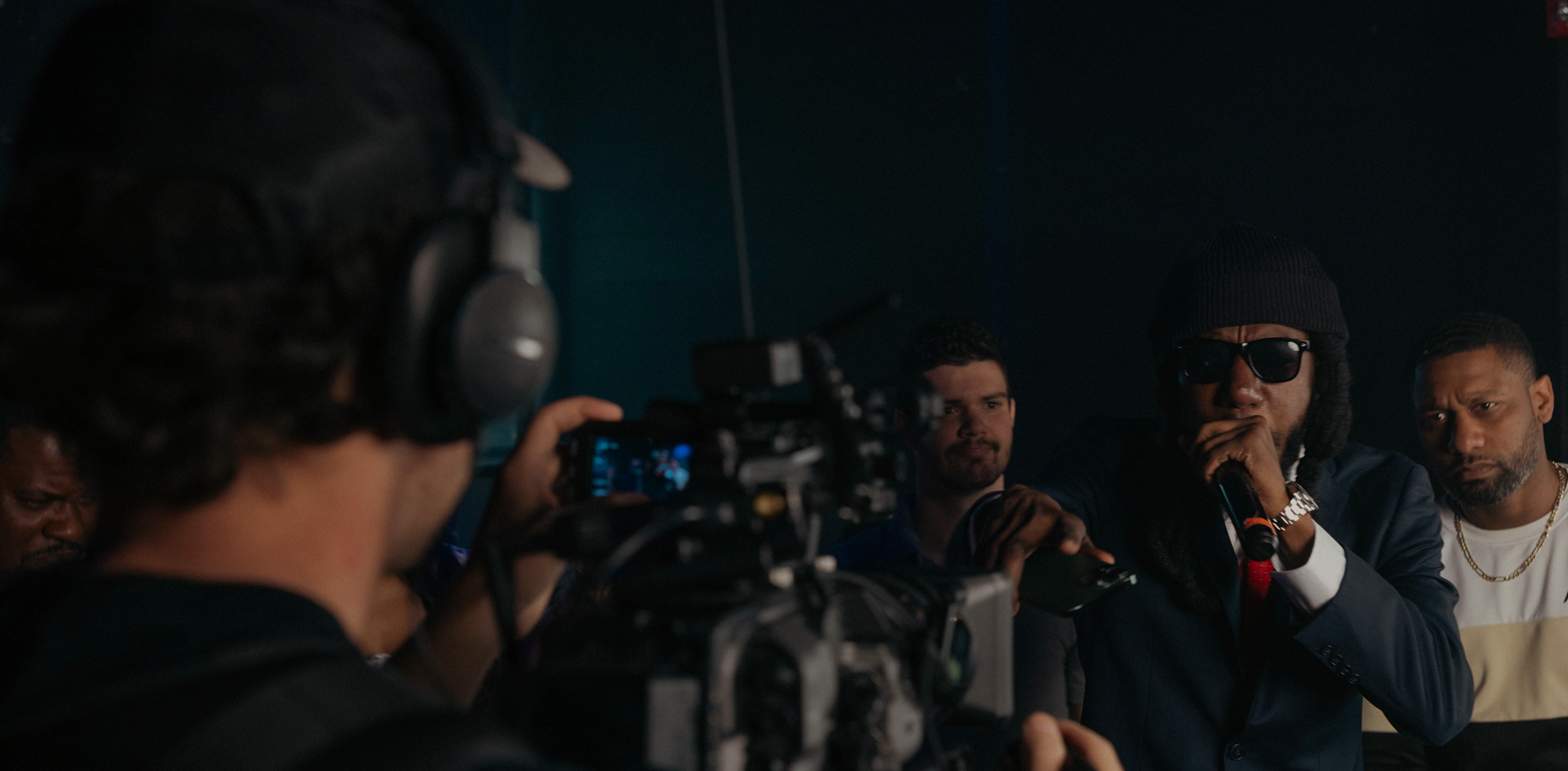
Our team of filmmakers, editors, and strategists bring the same creative excellence we apply to national brands to every non-profit project we take on. Partner with a non-profit video production company that understands your mission and can bring it to life with purpose, emotion, and cinematic quality.