


 Video Production

We share what we learn while making video.
There's a moment that happens in every small business.
Someone finds you online. Maybe they Googled "plumber near me," or a friend mentioned your name, or your post showed up in their feed. They're interested. They're also a little unsure. They've been burned before by a contractor who ghosted them, a service that overpromised, a company that seemed great until the invoice arrived.
So they sit there with your website open, wondering the same thing everybody wonders: are these people any good, and can I trust them?
That's the moment video is built for. Not because video is trendy, but because seeing a real person say a real thing does something a paragraph of text can't do. It's the closest you can get to shaking someone's hand before they've ever called you.
This guide is for owners who know they should be doing something with video and aren't sure where to start. No jargon, no film school. Just what it is, what it does for a business like yours, what it costs, and how to start without wasting money.
First things first: what is video marketing?
Video marketing means using video to help people find you, understand you, and trust you enough to buy.
That's the whole definition. It sounds bigger than it is.
It isn't one thing. It's a customer talking about the job you did for them. It's a 40-second clip explaining what's actually included in your service. It's you answering the question you get asked on every single phone call. It's a quick look behind the counter at 6 am while you're prepping.
Some of it is polished. Most of it doesn't need to be. What it all has in common is that it's doing a job for your business, bringing someone closer to saying yes.
And here's what surprises most owners: the videos that work hardest are almost never the fancy ones. A rough phone video of a happy customer usually outsells a beautiful cinematic brand film. People aren't grading your production quality. They're deciding whether you're worth calling.
What video actually does for your business
Let's skip the abstract stuff and talk about what changes day to day.
It answers "can I trust you?" before you ever speak. This is the big one. As a smaller business, you don't have a national brand doing that work for you. Every new customer starts a little skeptical. A customer on camera saying "they showed up when they said they would, and the price didn't change" does more for you than any amount of copy on your About page.
It stops you repeating yourself. Think about the question you answer forty times a month. How your pricing works. What happens after they sign. How long it takes. Whether you cover their area, film the answer once. Now it works for you every day, on your website, in your email replies, and in your texts, and you get an hour of your week back.
It helps people find you. People search for problems, not businesses. "Why is my AC leaking water?" "Do I need a lawyer for a small claim?" If you're the one who answered that question, you're the one they think of when the problem gets bigger than they can handle. Yes, you'll help a few people fix it themselves. Those people weren't going to hire you anyway.
It closes more of the quotes you're already sending. Most small businesses send an estimate and wait. Attaching a short video walking through what's included, in your own voice, explaining the why behind the number, is one of the cheapest ways to win more of those jobs. Very few of your competitors are doing it.
It works while you're asleep. A good customer testimonial you film this month is still convincing people three years from now. You pay once. It keeps selling. There aren't many marketing things you can say that about.
If you want the industry numbers: Wyzowl's 2026 report found that 91% of businesses now use video, 83% say it directly increased sales, and 85% of people say a video has convinced them to buy something. But you probably don't need a statistic to believe this. You've made buying decisions off videos yourself.
"But I'm not a video person"
Almost every owner says a version of this. Here are the four worries, answered plainly.
"I don't have the equipment." Your phone shoots better video than the news did fifteen years ago. What actually matters is sound and light. Buy a $30 clip-on microphone and stand facing a window. That's it. Bad audio makes people click away far faster than a phone camera does.
"I hate being on camera." Then don't be. Let a customer talk. Film your hands doing the work. Record your screen. Put your best-talking employee in front of the lens. Plenty of businesses build a great video presence without the owner ever appearing.
"I don't have time." Fair. So don't treat this like a weekly commitment. One planned afternoon, done properly, can produce enough material for months. More on how that works below.
"I don't know what to say." You do. You say it every day on the phone. The trick isn't inventing something new; it's writing down what you already tell people and saying it to a camera instead.
The one question that tells you what to make first
This is where most businesses go wrong, and it costs them real money.
The instinct is to start big: a polished 60-second brand film with music and slow-motion shots of the team walking toward the camera. It feels like the professional choice. It's usually the wrong one. Those videos look like commercials, so people skip them like commercials, and they don't answer any question a buyer actually has.
Start somewhere much simpler. Ask yourself: where do people get stuck with me?
Do they not understand what I sell? If you regularly hear "so wait, what exactly do you do?", make a short explainer. One video, one clear walkthrough of what you offer and who it's for.
Do they understand it but hesitate? If people ask for a quote and go quiet, that's a trust gap, not a clarity gap. Make a customer testimonial. It's the highest-value first video most small businesses can make.
Do they never find me at all? If your phone is quiet and your website traffic is thin, you need visibility. Short social clips and a video on your Google Business Profile will do more than anything polished.
Am I drowning in the same questions? Film the answers. Five short videos, one question each.
Pick one. Make it. Give it a month. Then decide what's next based on what happened.
The videos worth making
Once you know your starting point, here's the practical menu. I've grouped them by what they do rather than what they're called.
Videos that prove you're good
Customer testimonials. The most useful video most small businesses will ever make. Don't just ask a customer to say nice things; that comes out stiff, and nobody believes it. Ask them three questions instead: What was going on before you called us? What was frustrating about it? What's different now? That structure gets you a real story, and it lets the next customer see themselves in it. If they mention a number, even better. "They finished four days early" lands harder than "great service."
A short case study. Same idea with more detail, worth it if you sell something expensive enough that the buyer has to justify it to a spouse or a boss.
Meet the owner or the team. Especially valuable if you're going into someone's home, handling their money, or working on their health. People want to know who's coming.
Videos that answer questions
FAQ clips. One question, one honest answer, 30 to 60 seconds. Pricing. Timelines. What's not included. Who you're not a good fit for. That last one builds more trust than almost anything else you can film, because it's the opposite of what a salesperson does.
How-to videos. The stuff you know cold that your customers find confusing. These bring in people searching for problems.
Explainers. Show the thing working in the first ten seconds. The most common mistake is spending the first half of the video on your company history before anything useful happens.
Videos that get you noticed
Short social clips. Fifteen to forty-five seconds. The cheapest thing on this list to produce, because you can pull a dozen of them out of footage you already shot for something else.
Behind the scenes. How the food gets made, how the cabinet gets built, how the truck gets loaded at 5 am. For anyone whose craft is the selling point, this is gold. Don't over-narrate it. Let people watch.
How long should these be? Testimonials and explainers do well between 30 and 90 seconds. FAQ answers, under a minute. How-to videos can run two to five minutes if you're actually teaching something. The real rule is simpler than any of those numbers: stop when you've said the thing.
Should you do it yourself or hire someone?
We're a video production agency, so take this with the appropriate pinch of salt. But telling you to hire us for everything wouldn't be useful, so here's the real answer.
Do it yourself when you're making FAQ clips, behind-the-scenes footage, or casual social content. This stuff is supposed to feel unpolished. Over-producing it actually makes it worse.
Hire a video production agency when the video has to carry real weight: the one on your homepage, the testimonials that support your biggest service, a set of pieces that need to look like they belong together. What you're really paying for is the planning: figuring out what to make, what to say, and how to get the most out of a single day. The filming is the easy half.
Don't hire anybody yet if you can't say in one sentence what you want the video to make someone do. No budget survives a fuzzy brief.
One quick note on a term that scares people off. You'll see "corporate video production" everywhere and assume it means big companies with big budgets. It doesn't. It just means video made for a business reason instead of entertainment, testimonials, explainers, training, service walkthroughs. A three-person dental practice filming a patient story is doing corporate video production. It's about the purpose, not your size.
And two questions worth asking anyone before you sign:
- What am I getting, exactly? Ask for the full list, including short vertical versions for social. A shoot that hands back one wide video and nothing else has left most of your money on the table.
- Do I own the raw footage? You should. In two years you'll want to recut it, and you shouldn't have to pay twice.
Where to actually put your videos
This is where most of the value gets lost. Businesses post to Facebook, watch the view count, and decide video doesn't work, when the real problem is that the video was never anywhere near a buying decision.
On the page where people decide. A testimonial on the service page it relates to. An explainer next to your pricing. An FAQ clip right beside the question it answers. Video near a decision does far more than video anywhere else.
On your Google Business Profile. Badly underused. You can upload video straight to your profile, and when someone's comparing four local businesses with identical stock photos, you're the only one with a face.
In your quotes and estimates. A 45-second video explaining what's included, in your own voice. Cheap, fast, and almost nobody does it.
In text messages. "Hi, this is Marcus, I'll be at your place tomorrow at 9." Twenty seconds. It reduces no-shows, and it starts the relationship before you arrive.
On YouTube, with a proper title and description. Google can't watch your video. It reads the words around it. That's what gets you found.
On social. Absolutely, but treat it as how people discover you, not where they buy. Reach is not the same as revenue.
Why small business videos flop
Five reasons, and they're almost always one of these:
- The video had no job. It got made because "we should have a video." Vague purpose, vague results.
- It opened with a logo. You get about three seconds. Don't spend them on an animation.
- It talked about the business instead of the customer. "We're a family-owned company committed to excellence" is about you. "Most people call us when their AC quits in August and everyone else is booked out a week" is about them. Guess which one gets watched.
- It got posted once and forgotten. Never embedded on the site, never reused, never cut into shorter pieces. Same cost, a fraction of the return.
- Nobody checked whether it worked. So when money gets tight, video is the first thing cut, because nobody could point to what it did.
Common questions
What video should I make first? Whichever one fixes your biggest sticking point. Confused prospects need an explainer. Hesitant ones need a testimonial. Don't lead with a brand film.
Do I need to hire someone to start? No. Start with your phone and a cheap microphone. Bring in help when a video needs to carry real weight.
How much should I budget in a year? A common approach for a small business is one professionally produced shoot day, often $3,000 to $8,000, plus whatever you film yourself along the way. Judge it by how many usable pieces you got and how long they last, not by the price of a single video.
How long should a video be? Most work well between 30 and 90 seconds. Tutorials can run longer when there's something to teach. Clear beats short.
Website or social media first? Website, if the video is meant to help someone buy. Social is how they find you. Your site is where they act.
Does video help me show up on Google? Indirectly, and it does help. Video keeps people on your page longer, and question-answering videos can pull in search traffic. But Google reads your words, not your footage, so titles, descriptions, and the text on the page still do the heavy lifting.
Can I just use AI to make videos? For editing, captions, and help writing what to say, sure, plenty of businesses do. But the thing video is uniquely good at is proving a real person stands behind your business. An AI-generated face works against that.
Where to start
If you take one thing from all of this: don't start with the impressive video. Start with the useful one.
Figure out where people hesitate. Make the video that fixes it. Put it where the decision happens. Then check whether it moved anything, and let that tell you what to make next.
The businesses that do well with video aren't the ones spending the most. They're the ones who worked out what to make first.
Not sure which video would move the needle for your business, or what it should reasonably cost? We're a video production agency that starts with a conversation, not a camera. Tell us where your customers are getting stuck, and we'll tell you honestly whether video is the answer.
Explore Other Stories


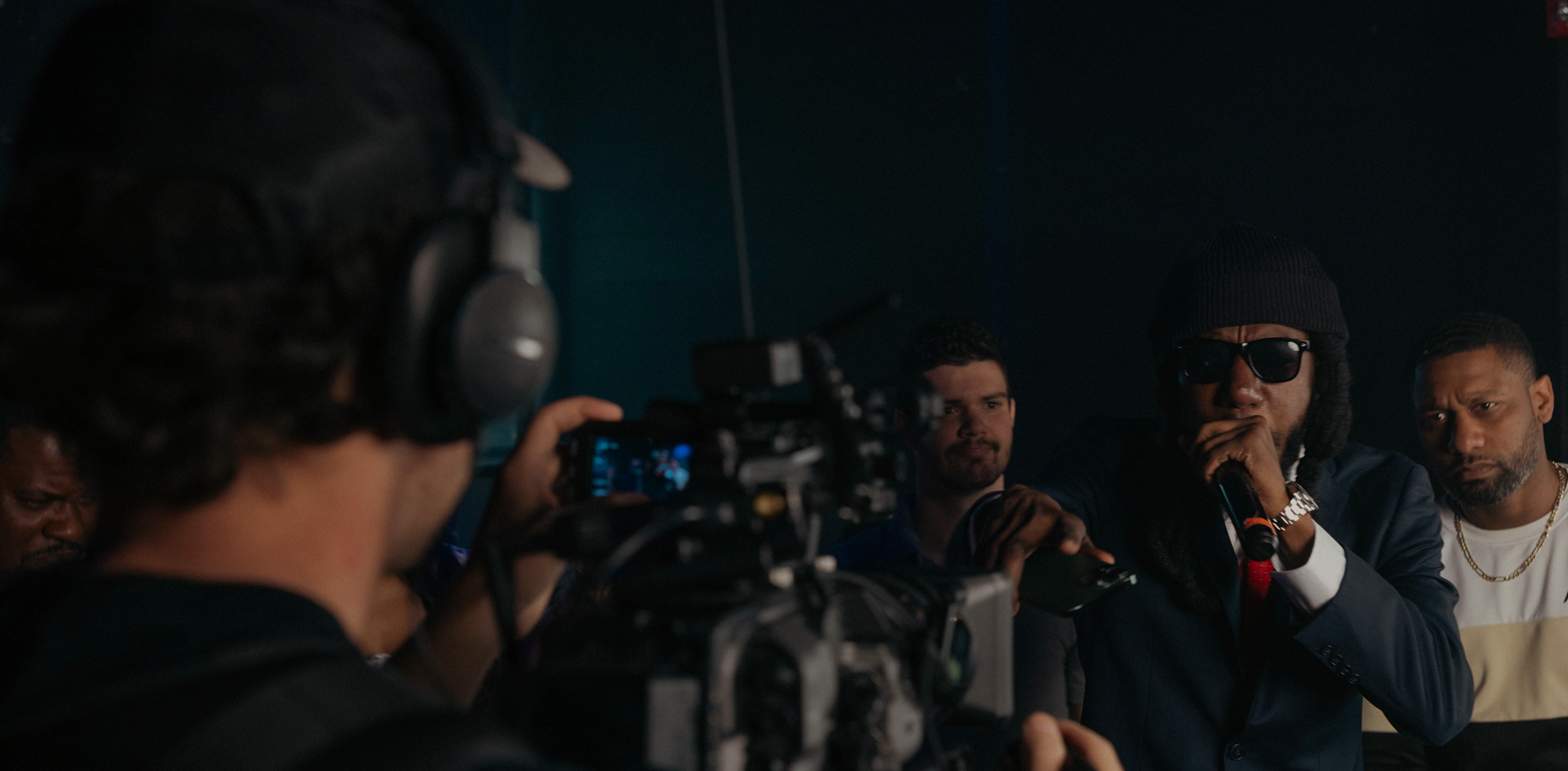
Our team of filmmakers, editors, and strategists bring the same creative excellence we apply to national brands to every non-profit project we take on. Partner with a non-profit video production company that understands your mission and can bring it to life with purpose, emotion, and cinematic quality.