Most bad video partnerships don't look bad at the start. The reel is polished, the pitch is confident, the price feels fair. The problem usually surfaces two weeks in, when a question everyone assumed was settled turns out never to have been asked. The signs that predict this rarely have anything to do with talent. They show up in how a partner handles ambiguity before a camera ever rolls. And in 2026, there are two signs worth watching for that barely existed a few years ago.
At a glance, the five signs are:
- They can't clearly say what's AI and what's human-made
- They send a price before they understand your goal
- Your project quietly gets handed to a crew you've never vetted
- The contract is vague about ownership, especially anywhere AI tools were involved
- They sell you a video, not a system built for how it'll actually be watched
1. They can't clearly say what's AI and what's human-made
A portfolio can look flawless today without a single day of real production behind it. That's not automatically dishonest: plenty of legitimate studios use AI for pre-visualization, rough storyboarding, or minor cleanup. What separates a trustworthy partner from a risky one is whether they can tell you exactly where the line sits. Ask a strong studio which parts of a reel were shot, which were AI-assisted, and which were fully generated. You'll get a specific answer within a minute. Ask a weak one, and you'll get vagueness or mild defensiveness. Neither "we never touch AI" nor "we do everything with AI" is automatically the right answer. What matters is whether they can explain their own process without flinching.
How to check:
Pick one clip from their reel and ask them to walk you through exactly how it was made. A real answer sounds like a process. A rehearsed one sounds like a pitch.
2. They send a price before they understand your goal
A quote that arrives before anyone asks what the video needs to accomplish is a quote built for a menu, not a project. It usually means the deliverable count came first, a fixed number of videos for a fixed price, and any strategy gets fitted around it afterward, if at all. A partner worth hiring asks about your audience, your timeline, and where the video will actually be watched before a number ever comes up. That sequence tells you whether you're buying a service or commissioning a solution to a real problem.
How to check:
Notice what they ask before they quote. If the first real question is about your budget rather than your goal, that's the order the rest of the relationship tends to follow too.
3. Your project quietly gets handed to a crew you've never vetted
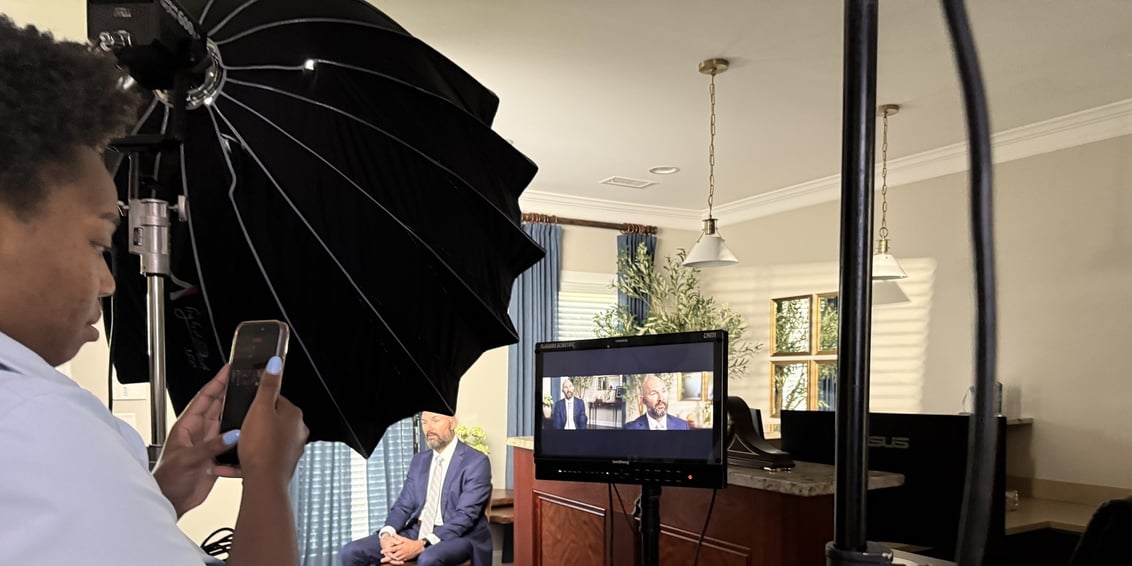
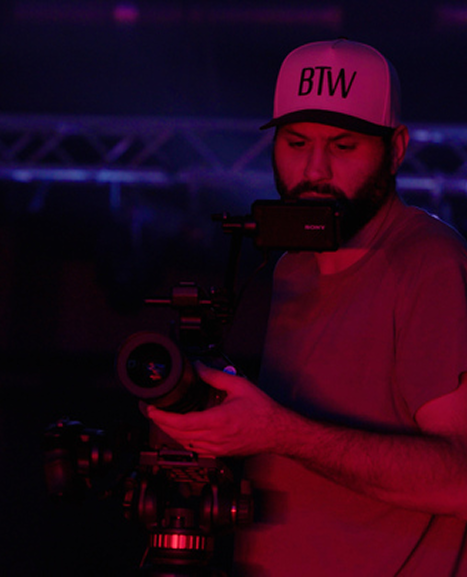
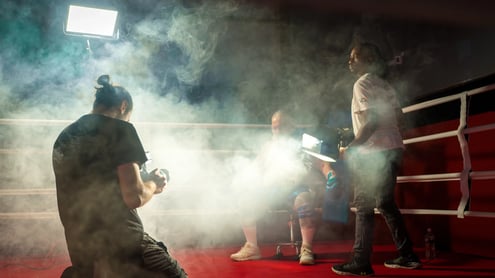
Not every studio that pitches you is the studio that shows up to film. Some operate as brokers: closing the deal with their strongest reel, then subcontracting the shoot to whichever freelance crew is available and cheapest that week. This isn't always disclosed, and it matters more than it sounds like it should. The person behind the camera, not the name on the invoice, determines what you actually get. If something goes wrong on set, accountability gets murky fast when the people who pitched you weren't the people who were there.
How to check:
Ask directly who will physically be on location, by name, and ask to see that specific person's recent work, not the agency's highlight reel.
4. The contract is vague about ownership, especially anywhere AI tools were involved
Unclear usage rights have always been worth watching for, but the stakes shifted this year. As of March 2026, U.S. copyright guidance made clear that AI-generated video isn't automatically ownable the way traditionally shot footage is, and courts have rejected "the AI made it" as any kind of legal shield in infringement disputes. On top of that, commercial usage rights for AI-generated footage vary by platform and pricing tier: some plans restrict commercial use like paid ads, resale, or client delivery even on paid tiers. If a production partner used any generative AI tool in your project and can't clearly explain which platform, which license, and who carries the liability if those terms change, that risk sits with you the day you publish the video, not with them.
How to check:
Have the contract state plainly what happens if generative AI was used anywhere in the pipeline, and who's responsible if a platform's terms turn out to restrict how you can use the final video.
5. They sell you a video, not a system built for how it'll actually be watched
A single polished master file, with no plan for how it gets cut down, captioned, or adapted for the platforms your audience actually uses, is an incomplete deliverable dressed up as a finished one. Attention today is split across vertical formats, watched mostly with sound off, on platforms that increasingly expect captions as a baseline rather than an afterthought. A partner thinking in current terms hands you a video ready to work everywhere it needs to appear, not one file and a "good luck."
How to check:
Ask what ships alongside the master file, such as caption files, vertical cuts, and thumbnail options, before you ask what any of it costs.
What this means for you
None of these five signs are really about talent. Plenty of skilled people work at studios with all five problems, and plenty of ordinary crews run tight, honest operations. What actually separates a good production partnership from a bad one comes down to how much a studio is willing to explain before you have to ask. That's the standard we hold our own process to, and it's a reasonable standard to expect from anyone you're considering.
Frequently Asked Questions
How do I know if a video company is using AI without telling me?
Ask directly, clip by clip. A studio confident in its process explains exactly where AI was used, whether in pre-visualization, minor cleanup, or not at all, without hesitation. Vagueness is the actual warning sign, not AI use itself.
Is it normal for production companies to subcontract work?
It's common and not inherently a problem. Many strong studios bring in specialist freelancers for particular shoots. The issue is disclosure. You should always know, by name, who's on set for your project.
Who legally owns AI-generated footage used in a brand video?
It depends on the platform and license tier used to generate it. Ownership isn't automatic the way it is with traditionally filmed footage. Since March 2026, U.S. copyright guidance has made clear that AI involvement doesn't grant automatic rights, so this needs to be addressed explicitly in your contract.
What should be included in a video production contract?
At minimum: clear usage and ownership rights, a defined revision process, a realistic delivery timeline, and increasingly, a clause covering how any AI tools used in the project affect ownership and licensing.
If you're currently comparing a few production partners and want a second, no-pressure opinion on a quote or contract before you sign, the Craft Creative team is happy to take a look. Reach out whenever it's useful.



 Video Production