What Is Vertical Video?
Vertical video is video content filmed in portrait orientation, taller than it is wide, usually with a 9:16 aspect ratio.
That simple change makes a big difference.
It fits the natural way we hold our phones. And mobile is where content lives now.
Think about how you check Instagram, Facebook, TikTok, YouTube Shorts, or LinkedIn. You scroll with your phone upright. Vertical video fills that screen completely. No black bars. No awkward tilting.
It fits the experience. And that gets more attention.
Why Vertical Video Works So Well
People don’t want to work to watch your video. Mobile behavior is fast and natural. Vertical video marketing matches how viewers already use their phones.
Here’s what it does right.
- It Feels Native to Mobile - No rotating the phone. No tiny visuals. Just full-screen content that feels natural.
- It Uses Space Better - A horizontal video wastes most of the mobile screen. Vertical fills it. That makes it more immersive and more powerful.
- It Gets to the Point - Vertical videos are often short-form. They force clarity. One idea. One action. That’s what viewers want.
The Numbers Tell the Real Story
Let’s look at what vertical video actually delivers. It’s not just about looking good on a phone.
It performs. And we have the data to prove it:
- Completion rates are 90% higher for vertical videos on mobile compared to horizontal. That means more people see your full message.[Source]
- 94% of users hold their phones vertically. That's not a trend. That's daily behavior.[Source]
- Vertical content covers 78% more screen space than horizontal videos. It grabs more visual attention instantly. [Source]
- Facebook vertical videos get 13.8 times more visibility than horizontal ones. That’s more reach without more spend. [Source]
- Click-through rates are 43% higher for vertical mobile video ads. More clicks mean better ad efficiency. [Source]
- Conversions improve 10 to 20% per dollar spent when using vertical videos.
Brand recall jumps to 90% with vertical, compared to 69% for horizontal. People remember what they see. [Source]
- Snapchat users complete vertical videos 9 times more than horizontal ones.
71% of mobile users say they prefer vertical ads. [Source]
- On Facebook, vertical outperforms square video with 4 times more engagement.
These aren’t small improvements. They’re real marketing advantages. [Source]
These aren’t small improvements. They’re real marketing advantages.
How Vertical Video Helps Your Business
- Better Engagement - People stop scrolling. They watch longer. They click more. That means more leads, more sales, and better returns.
- Lower Ad Costs - More clicks and higher completion rates mean your budget stretches further. You're paying less per result.
- Faster Production - Vertical video is quick to make. You don’t need a studio. A steady phone, good light, and a clear message are enough.
- Higher Brand Recall - People don’t just watch. They remember. That leads to trust and more brand recognition.
- Multi-Platform Use - One vertical video can be shared on TikTok, Instagram Reels, YouTube Shorts, Facebook Reels, and Stories. One asset, five placements.
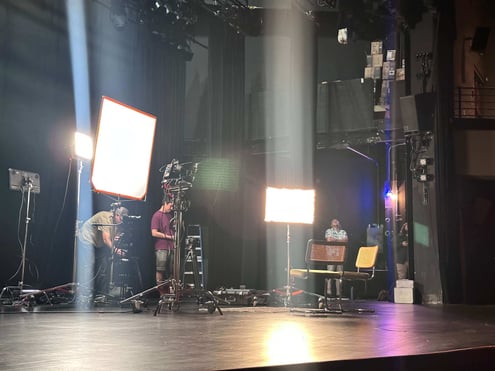
For larger campaigns, pairing vertical content with commercial video production ensures your brand message works across both traditional and digital platforms.
Ideal Use Cases for Vertical Video
Not all content needs to be vertical, but for mobile-first channels, it’s the clear choice.
Here’s where it works best:
- Product Demos: Show how something works in under 60 seconds.
- Customer Testimonials: Short, authentic videos that build trust.
- Behind-the-Scenes Clips: Give a peek at your process.
- Event Recaps: Quick highlight reels that tell the story.
- How-To Tips: Visual education in a minute or less.
- Social Ads: Vertical is built for mobile-first ads.
- Hiring Videos: Quick clips that show your company culture.
- Announcements: New products or offers in 15-second bursts.
If your viewer is on mobile, vertical wins.
Best Practices for Vertical Video That Works
Shooting vertical isn’t enough. It needs to be done well.
Follow these rules:
- Start Strong - Hook viewers in the first three seconds. Ask a question or show something unexpected.
- Keep It Short - Aim for 15 to 60 seconds. Shorter videos get more completions.
- Use Captions - Most viewers watch with sound off. Add text so your message still lands.
- Shoot Tight - Focus on faces, hands, and details. Avoid wide shots.
- Use Good Lighting - Natural light works well. Avoid harsh shadows.
- Add Motion - Zooms, pans, or quick edits keep it interesting.
- Stay on Brand - Keep colors, tone, and style consistent with your brand.
- Use the Right Tone per Platform - What works on TikTok might not fit LinkedIn. Adjust your voice.
- Stick to One Message - Keep each video focused on one idea or call to action.
- Post Often - Frequency beats perfection. Consistency builds momentum.
The Bottom Line
Vertical video isn’t optional anymore. It’s how audiences watch.
If you’re still creating only horizontal content, you’re making videos for yesterday’s screens. Mobile-first platforms and viewers have already moved on.
Smart businesses are combining vertical content with professional commercial video production to build stronger campaigns that work across TV, social, and digital platforms.
Ready to create vertical and commercial videos that get attention? Contact Craft Creative today to start your project.



 Video Marketing

.webp?width=495&height=450&name=art%20of%20storytellng%20in%20video%20production%20(1).webp)